This is a basic rundown of common crochet terms you may find in the wild. These are going to be common for a lot of my patterns so I thought I'd put them in one centralized place.
NOTE: I will add more to my document here as I add more patterns.
Stich & pattern terms
| Abbreviation | Definition |
|---|---|
| YO | yarn over |
| CH | chain |
| SLST | slip stich |
| SC | single crochet |
| HDC | half-double crochet |
| DC | double crochet |
| TC | triple crochet |
| INC | increasing crochet |
| DEC | decreasing crochet |
| BLO | back loops only |
| FLO | front loops only |
| MC | magic circle |
Slip knot
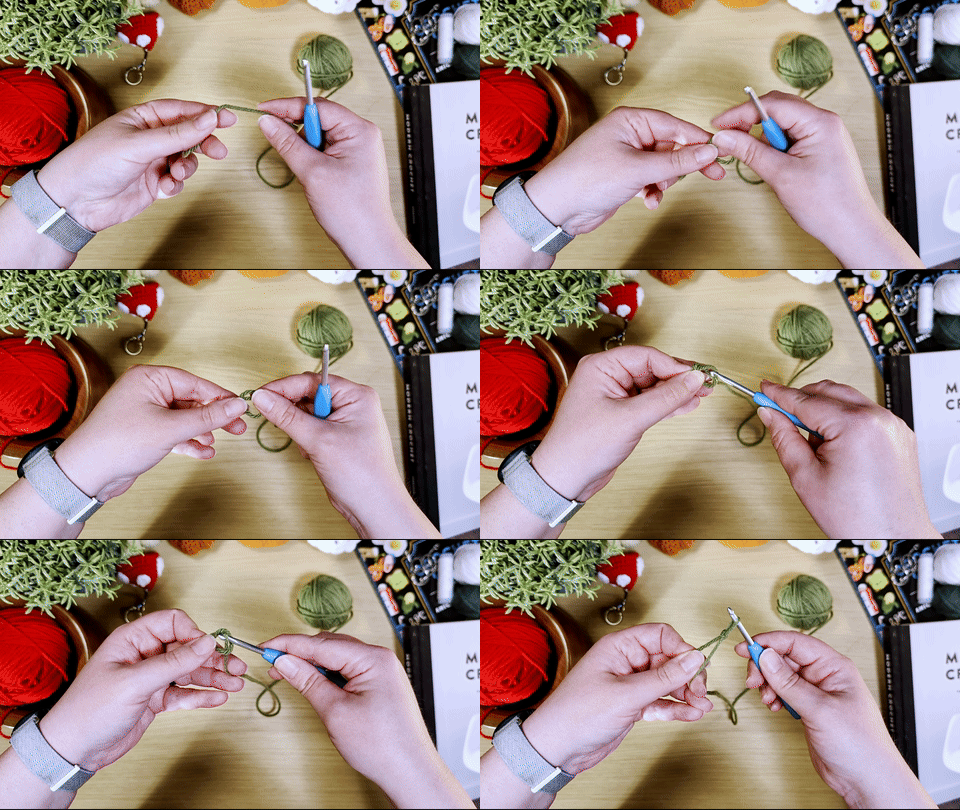
The very starting that allows us to either chain or use a magic circle to start our work.
Yarn over
Yeah I use this term a lot. It basically just instructs you to take the yarn on the working side and wrap it once around your hook so that it adds a loop to your hook. You can see the hook going around the yarn in the chain gif below. That gif shows a yarn over to pull the yarn through.
Chain
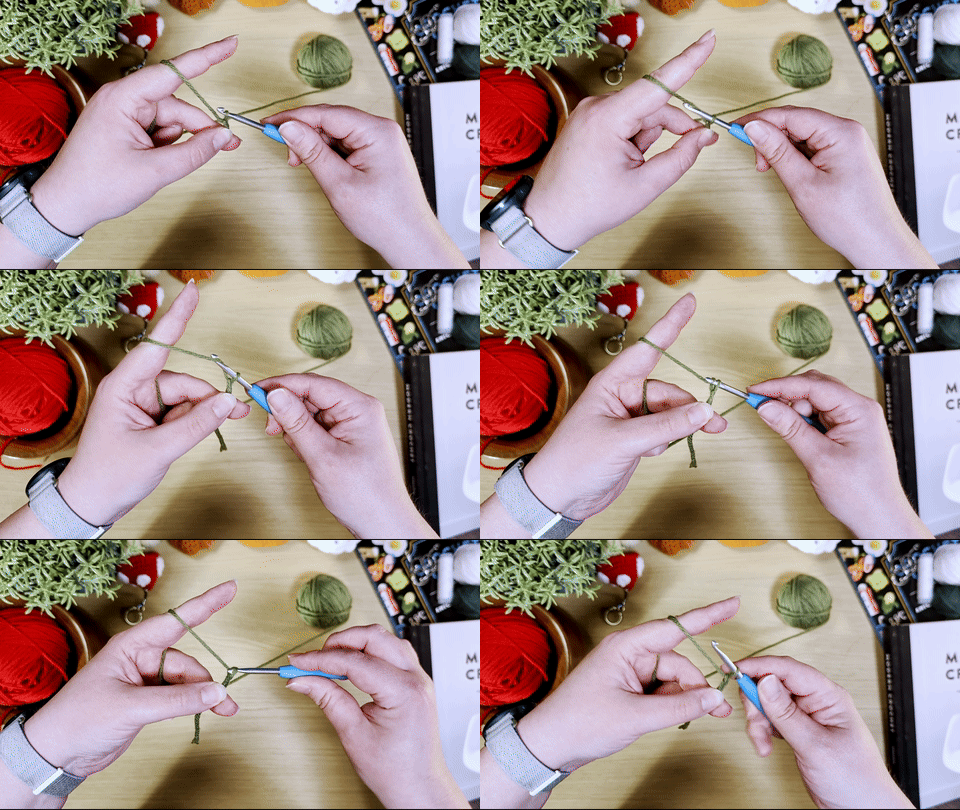
This is pretty simple. It's the foundation of all crochet. The start.
To start, make a slip knot and put your crochet hook in the middle. You should have on loop on the hook. Grab the yarn by wrapping the yarn around and over the hook (also known as yarn over) and pull it through the loop.
Slip stitch
With one hook on the loop, put your hook through the next stich. Yarn over the hook (grab it) and pull it through the stich and the loop on the crochet hook.
Single crochet
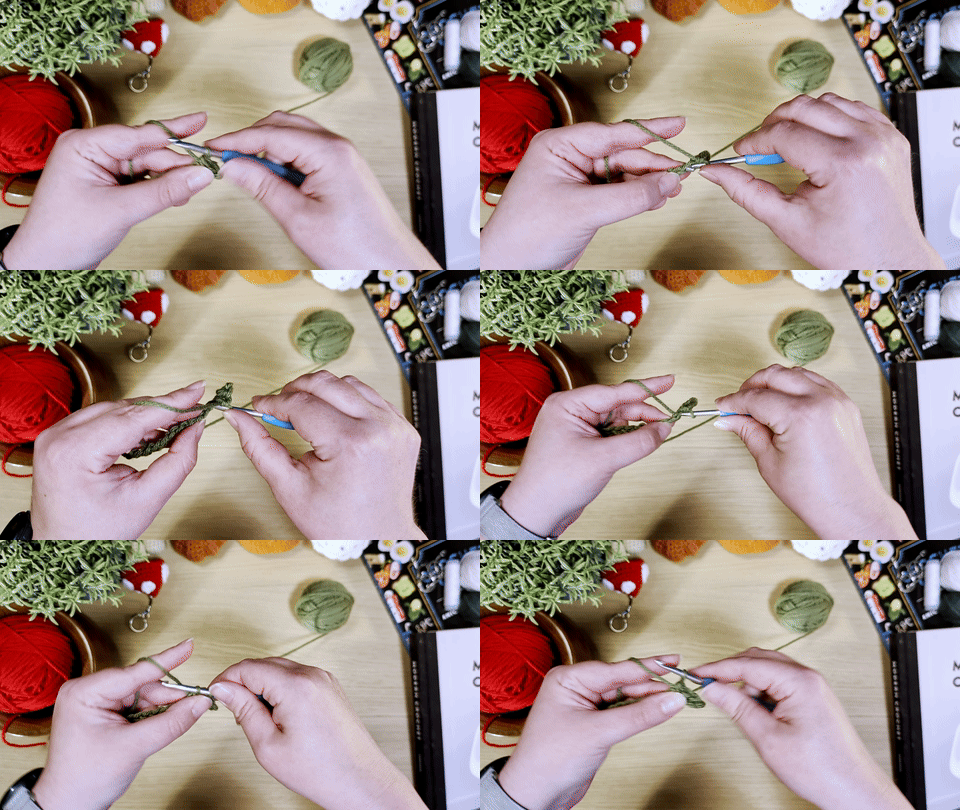
The first stich that ads meaninful height. It's very common to use this in making amigurumi
With one hook on the loop, put your hook through the next stich. Yarn over the hook and pull it through the stich. Pause here, you should have two loops on your hook. Yarn over and grab the some more yarn to pull through the two loops on the hook.
Half-double crochet
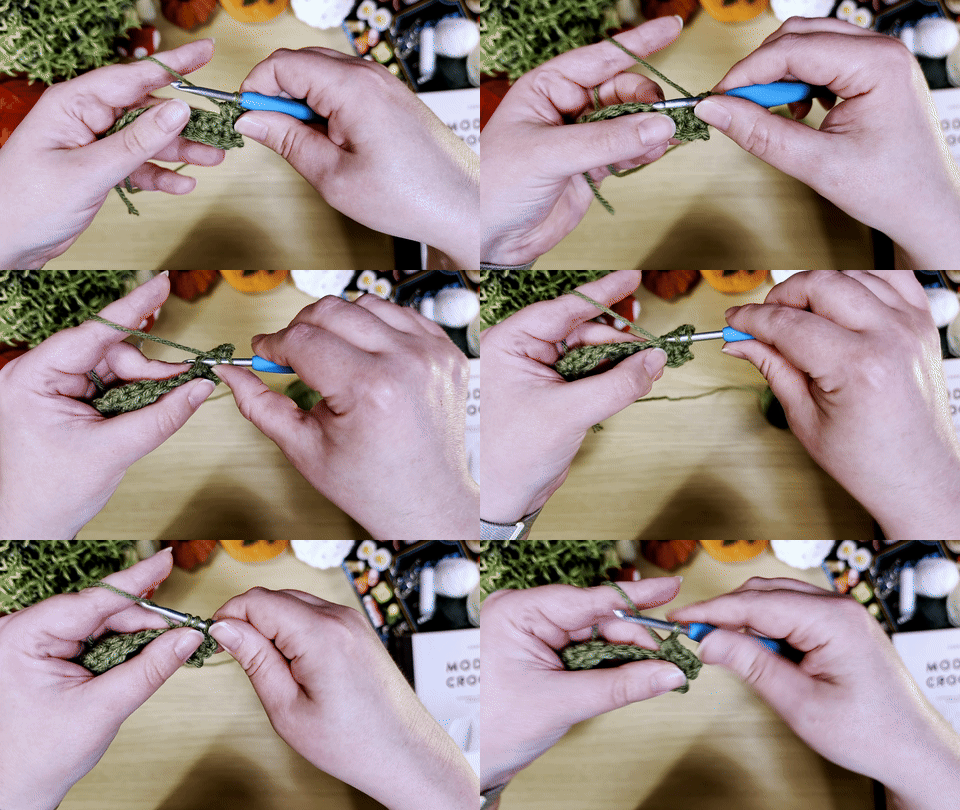
With a height Half way between the single crochet and double crochet, it becomes obvious why it's called half-double crochet.
Wrap the yarn around the hook so that you have two loops on the hook, put your hook through the next stich. Yarn over the hook and pull it through the stich. Pause here, you should have three loops on your hook. Yarn over and grab the some more yarn to pull through the three loops on the hook.
Double crochet
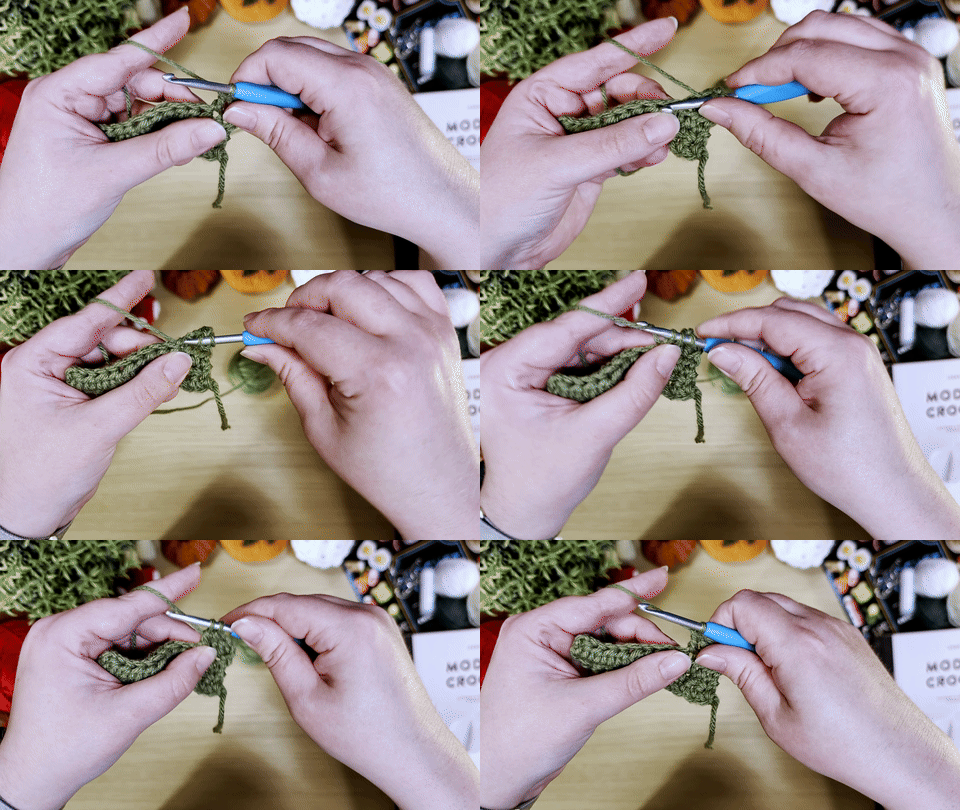
Double crochet. Twice the height of a single crochet... roughly.
Wrap the yarn around the hook so that you have two loops on the hook. Put your hook through the next stich. Yarn over the hook and pull it through the stich. Pause here, you should have three loops on your hook. Yarn over and grab the some more yarn to pull through two of the loops on the hook. Pause here. You should have two loops on the hook now. Yarn over and grab the yarn to pull through the two loops.
You end up yarning over and pulling through two loops twice.
Triple crochet
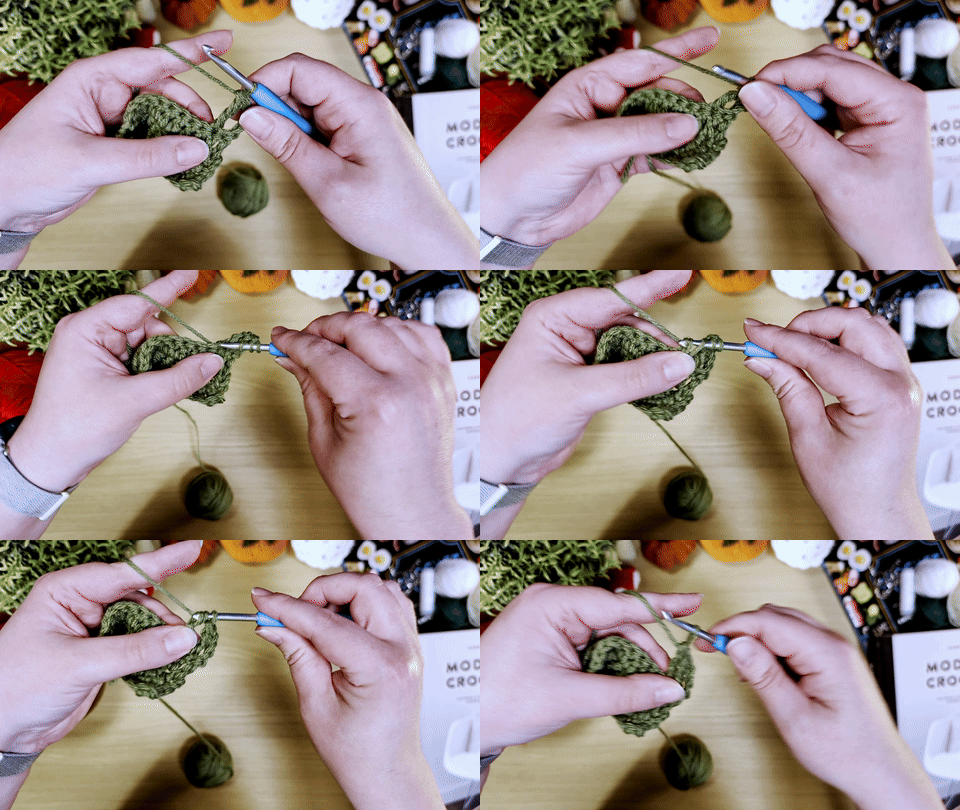
Triple crochet. Three times the height of a single crochet... roughly.
Wrap the yarn around the hook twice so that you have three loops on the hook. Put your hook through the next stich. Yarn over the hook and pull it through the stich. Pause here, you should have four loops on your hook. Yarn over and grab the some more yarn to pull through two of the loops on the hook. Pause here, you should have three loops on your hook. Yarn over and grab the some more yarn to pull through two of the loops on the hook. Pause here. You should have two loops on the hook now. Yarn over and grab the yarn to pull through the two loops.
You end up yarning over and pulling through two loops three times.
Increasing crochet
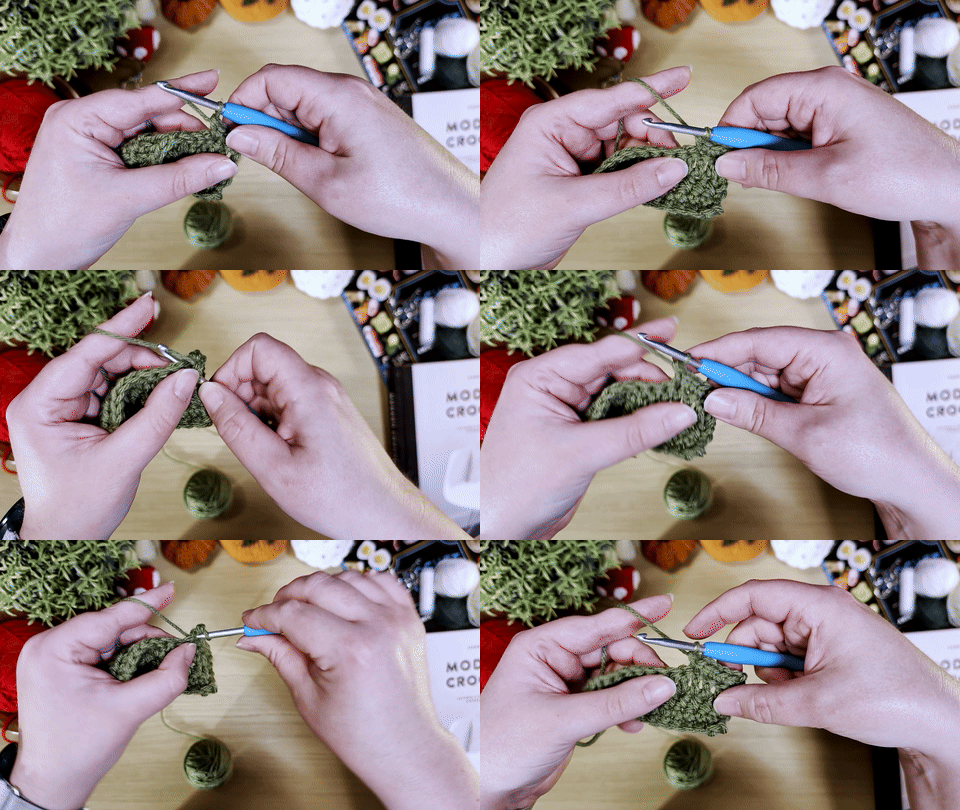
The INC can be followed by the stitch height. Ex: INC SC or INC DC. Given that, the instruction can vary a little based on what type of stich you are going for. Suffice to say that an increasing stitch is two of whatever stitch that can be assumed or specified. Those two stiches need to be made in the same stich so that the next row will be one greater than the current row for every increase.
Decreasing crochet
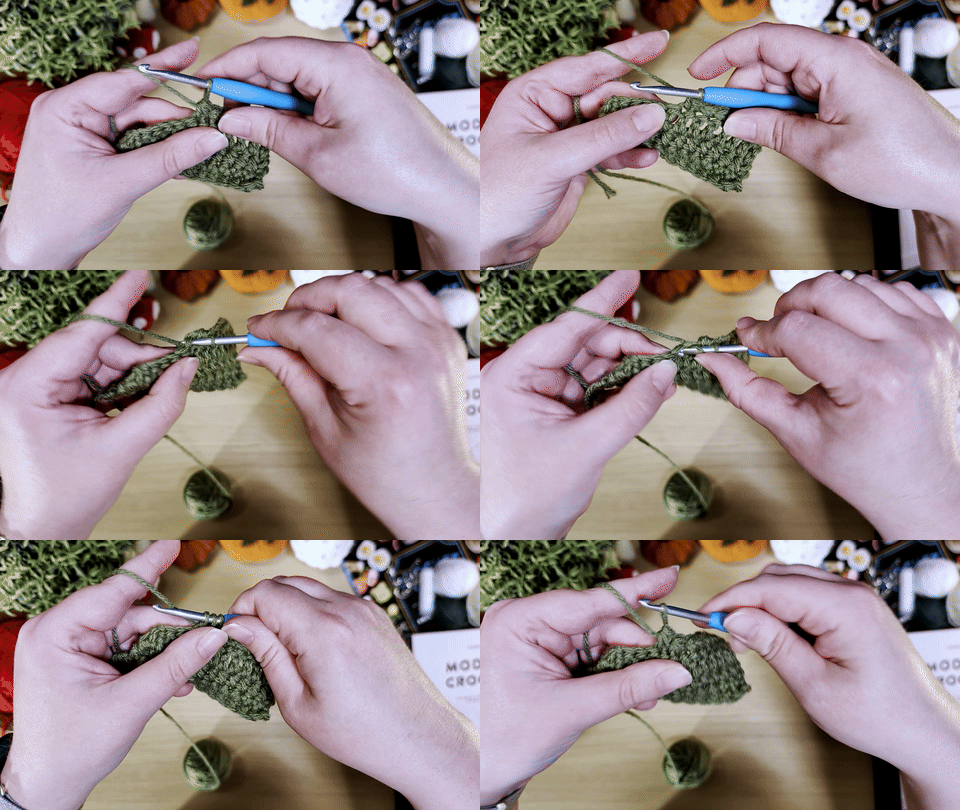
Much like the increasing crochet, DEC will also differ in instructions based on what type of stich you need to crochet. The decreasing stitch will alter the original stitch by adding an additional yarn over and going into the next stich before starting up the height of the stitch.
For a decreasing single crochet you would go through the first stich and pause. There should be two loops on the hook. Then, before you go to yarn over gain, you go into the second stich, yarn over and pull through. Now you should have two loops on your hook. Yarn over and pull through all three loops. Sometimes this can also be called sc2tog for single crochet two together
For a decreasing double crochet you would yarn over and go through the first stich. Yarn over and pull through that stich so you have three loops on the hook. Yarn over again and go into the second stitch instead of finishing the stitch. Yarn over and pull the yarn through so that you have five loops on the hook. Yarn over and pull through three loops. Yarn over again and pull through the last three loops. This stich can also be called dc2tog or double crochet 2 together. It's called this because you essentially just did two dc in the same spot.
Hidden decreasing stitch
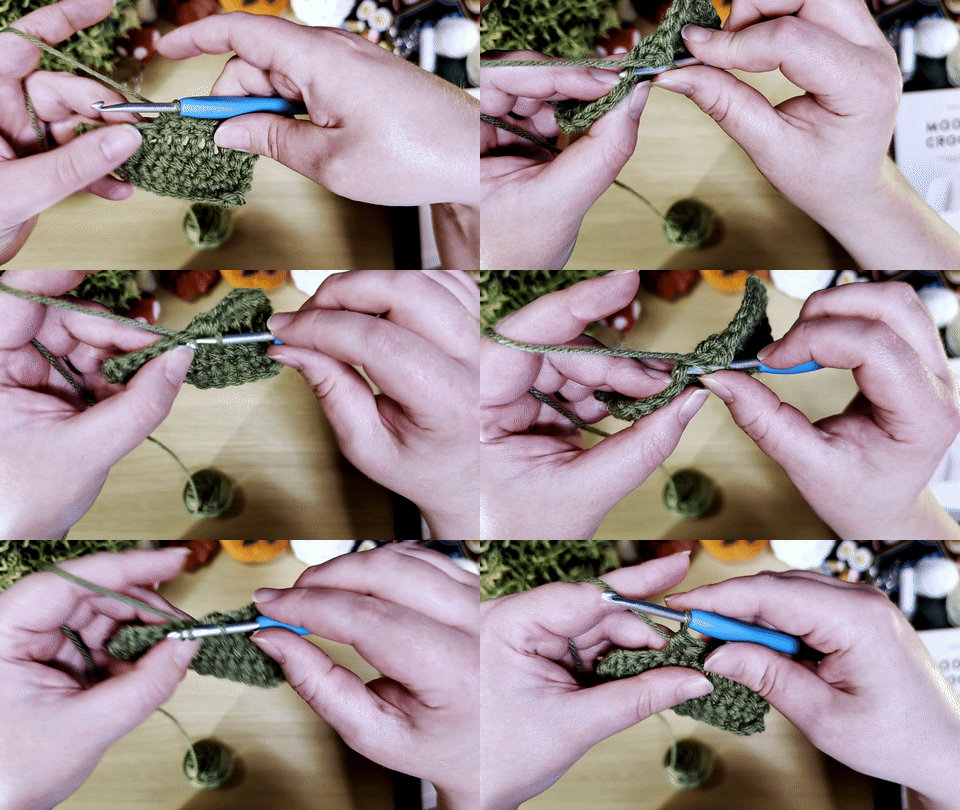
This version of the decreasing stich is great for Amigurumi (aka stuffed projects). The only difference between these and above is that the work should be done in front loops only. This leaves some yarn unperterbed by the pulling that can happen in a decreasing stitch.
Back loop only
This tells us less about what stich you are working with and more about where you are crocheting the stitch.
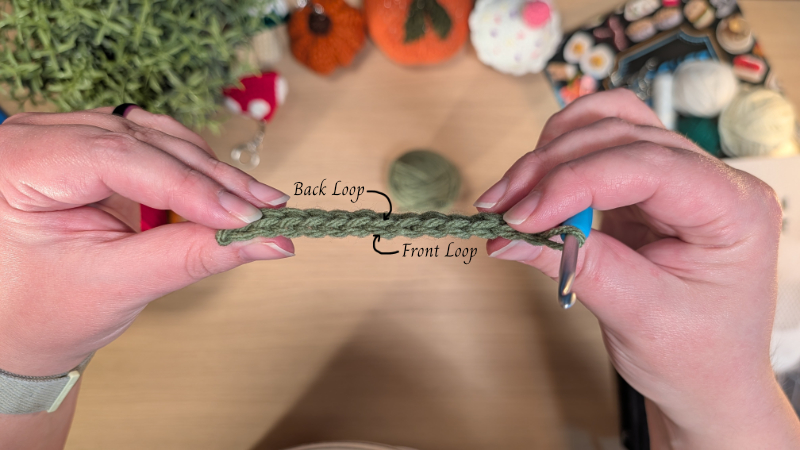
When you look at the top of a stitch you should see two parallel parts of the stitch. There is a front line and a back line as you work along your project. To work in back loops only means you only use the back part of the stitch, making sure you don't put your hook through the entire stich, only that back loop.
Front loop only
The opposite of the back loop.
When you look at the top of a stitch you should see two parallel parts of the stitch. There is a front line and a back line as you work along your project. To work in front loops only means you only use the front part of the stitch, making sure you don't put your hook through the entire stich, only that front loop.
Magic circle
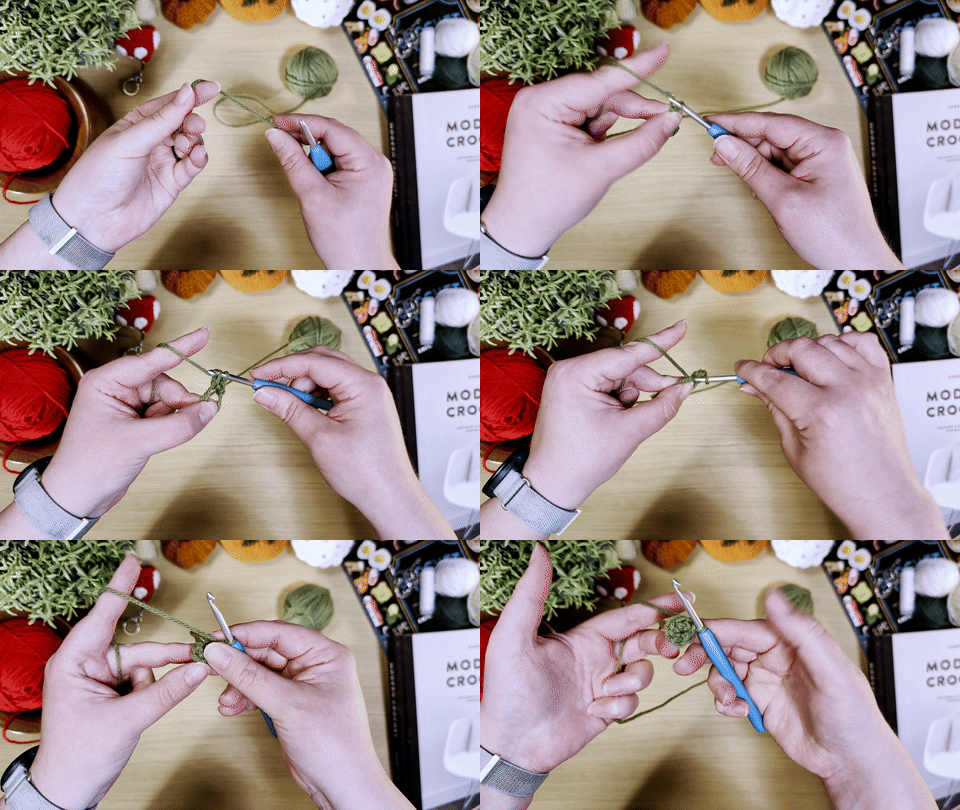
One of the ways to start working in the round or at least in a circle, is to use the magic circle. This is a starting method where you start making that slip knot, but instead of pulling it tight to your crochet hook, you keep it loose. Then you chain and work around that circle. You can pull the middle closed with the tail after you have either joined the first row OR started the second if you are working in the round.
EX: for magic circle with 5 sc, you would chain one and crochet 5 times into that circle. THen you can join and pull the middle closed.